

Idaho teacher told to remove inclusive signs, sparking backlash and student protests
An Idaho middle school teacher has become the center of a growing controversy after being instructed to remove two inclusive signs from her classroom. The district’s interpretation of its content neutrality policy has ignited debate over the balance between inclusivity and political neutrality in public schools.
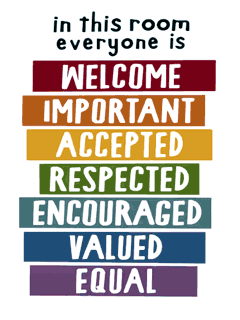
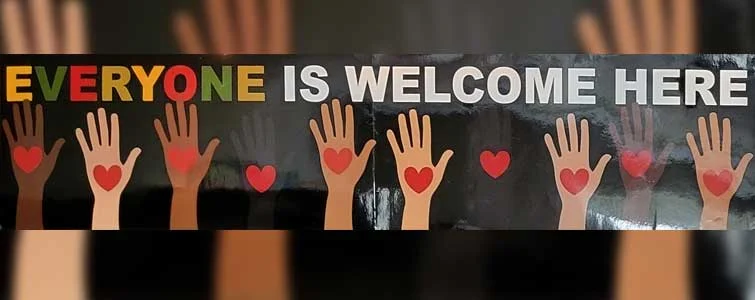
Sarah Inama, a sixth-grade world civilization teacher at Lewis and Clark Middle School in the Boise suburb of Meridien, was told by administrators that her signs — one reading “everyone in this room is welcome, important, accepted, respected, encouraged, valued, and equal,” and another stating “everyone is welcome here”—violated district policy. Officials claimed that in today’s political climate, these messages constitute personal opinions rather than neutral statements.
Initially, Inama complied with the directive, but she later replaced one of the signs, saying she felt unsettled by its removal. She argued that the message reflects the fundamental values of education, not political ideology. “I feel like this is the basis of public education,” Inama said. “I would do anything to protect my students. I love all of them unconditionally.”
The district, citing its policy on classroom displays, insisted that all signage must be content-neutral. Chief Academic Officer Marcus Myers referenced Idaho’s Dignity and Nondiscrimination in Public Education Act, which prohibits instruction that promotes one group as inherently superior or inferior. The district’s policy allows displays such as the American flag, motivational posters, and academic materials, but administrators deemed Inama’s signs outside those parameters.
The controversy has sparked an outpouring of support for Inama from students, parents, and community members. Since the story was first reported, it has gained national attention, with activists and organizations weighing in on the implications of erasing messages of inclusivity. The Wassmuth Center for Human Rights issued a statement calling the removal of the signs “deeply concerning” and emphasizing that fostering a welcoming environment should not be a political issue.
Students at Renaissance High School, also part of the West Ada district, staged a walkout in protest, holding signs with messages such as “Kindness is not political” and “Equality is not controversial.” Seventeen-year-old Finn Angelopoulos, one of the student organizers, said, “If district policies are being used to discourage teachers from making their students feel safe and welcome at school, serious change must be made.”
The district has declined to comment on the specifics of Inama’s case but reiterated its commitment to maintaining a “neutral” educational environment. However, critics argue that the removal of inclusive messages disproportionately impacts marginalized students, including LGBTQ+ youth and students of color, who often rely on affirming spaces within schools.
Meanwhile, Idaho’s legislature has passed House Bill 41, which, if signed into law, would ban political and ideological flags in public school classrooms. The bill allows for displays of the U.S. and Idaho flags, as well as certain approved educational and cultural symbols, but its broad language has raised concerns about potential censorship.
For now, Inama’s signs remain in her classroom, but she has until the end of the school year to remove them. She says she remains hopeful that the district will recognize the importance of inclusion and embrace, rather than erase, messages of belonging. “Every single person’s voice makes a big difference,” she said. “I’m just really proud of everybody who has spoken out.”
The response she has received has been overwhelmingly positive, she said in an email.

“I have had hundreds of emails, and every single one of them has been positive and a message of support. Some from as far away as Sweden,” she wrote. “It has all been a little overwhelming, but in a good way. My students have been talking about it a lot as well, and it’s been kind of heartbreaking to see them for the first time have to wonder why that sign would be questioned, but they are very resilient and have been just continuously telling me that they support me and support our classroom poster. They truly are my inspiration, and every day when I see them, I don’t have one ounce of regret.”
“Some [students] wore homemade shirts that say what is written on my posters, and they made friendship bracelets that say everyone is welcome. Some of them want to start a website and make their own posters to give away. They understand why there is nothing wrong with welcoming all unconditionally,” she wrote.


