

Orlando Pulse building demolished, clearing way for a permanent memorial
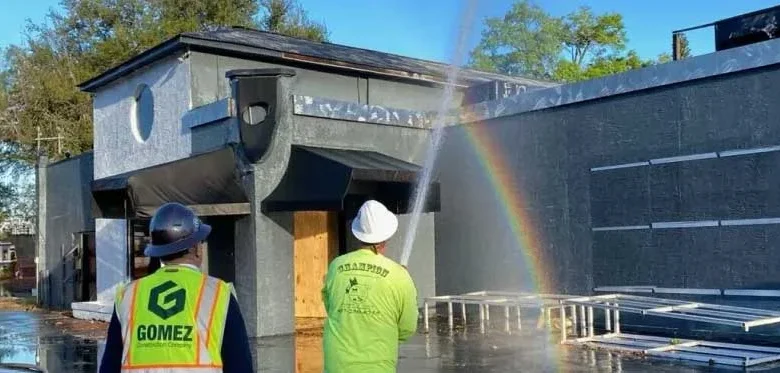
Nearly a decade after one of the deadliest mass shootings in U.S. history, the former Pulse nightclub is being demolished, clearing the way for a long-planned permanent memorial honoring the 49 victims killed on June 12, 2016.
Demolition of the LGBTQ±focused venue began March 18, a significant and emotional turning point for survivors, victims’ families, and the broader Orlando community. The building, which had remained standing as a site of mourning and remembrance, will now give way to a purpose-built memorial intended to support healing and reflection.
City officials took control of the project in 2023 after the collapse of earlier efforts led by the onePULSE Foundation, which had faced criticism over finances and design direction. Orlando purchased the property and formed a memorial advisory committee made up of survivors and victims’ relatives to guide a new vision.
The decision to demolish the nightclub followed years of debate over whether the structure should be preserved. Ultimately, the advisory committee recommended removal, concluding that a newly designed space would better serve as a place of remembrance.
Memorial design centers on reflection and remembrance
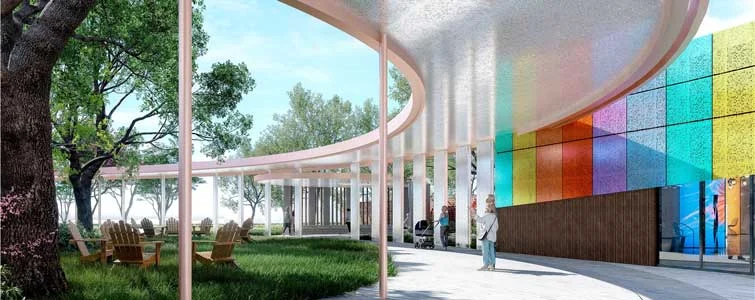
The permanent Pulse Memorial, expected to open in 2027, is designed as a contemplative environment that both honors the victims, often referred to as the “49 angels,” and acknowledges the history of the site.

At the heart of the design is a reflection pool, located within the footprint of the original nightclub, offering a central space for quiet remembrance.
Surrounding this space will be a curved architectural feature known as the “angel ellipse” (or eclipse)—a structure incorporating vertical elements or pillars, each dedicated to one of the 49 victims. These pillars will include names and, in some cases, flags representing victims’ countries of origin, reflecting the largely Latino community present on the night of the attack.
A fountain or water wall will display victims’ names alongside a bilingual inscription—“For all those who just wanted to dance”—serving as a unifying tribute in both English and Spanish.
The larger memorial grounds will include private gathering and contemplation spaces for families and visitors, a survivors’ commons and spaces for community reflection, and a memorial plaza containing elements of the original building’s footprint.
Designers have also incorporated physical remnants of the nightclub into the memorial. Materials from the original structure, such as concrete, will be recycled and integrated into the site, maintaining a solid connection to Pulse’s history.

Additionally, artifacts removed from the building, including signage and interior elements, have been preserved for possible inclusion in the memorial.
A shift toward community-led healing
The updated design is a deliberate shift away from earlier plans for a large-scale museum, instead stressing accessibility, reflection, and survivor input. The advisory committee’s process utilized feedback from families, survivors, and the wider community to ensure the memorial reflects collective memory and cultural meaning.
Construction is expected to begin in late 2026, with completion planned for 2027.
For many, the demolition represents both loss and progress, closing a painful chapter while creating space for a memorial intended to honor lives lost and provide a lasting place of remembrance for future generations.


